The Role of Excavation in Sustainable Land Development Jan 26, 2026
The importance of sustainable excavation lies in its ability to balance construction needs with environmental preservation. Traditional excavation methods often lead to soil erosion, habitat destruction, and excessive resource use. By employing sustainable practices, Bay Hill Development LLC minimizes these environmental impacts while still meeting development demands. This not only helps protect the natural ecosystem but also ensures that the land can sustain future generations.
One of the primary sustainable practices involves site evaluation before initiating any excavation work. This includes assessing natural resources, soil quality, and potential impact on local wildlife. By conducting a thorough evaluation, Bay Hill Development LLC can devise a strategic plan that aligns with environmental guidelines and adheres to local regulations. This careful planning process ensures that projects are both environmentally and economically efficient.
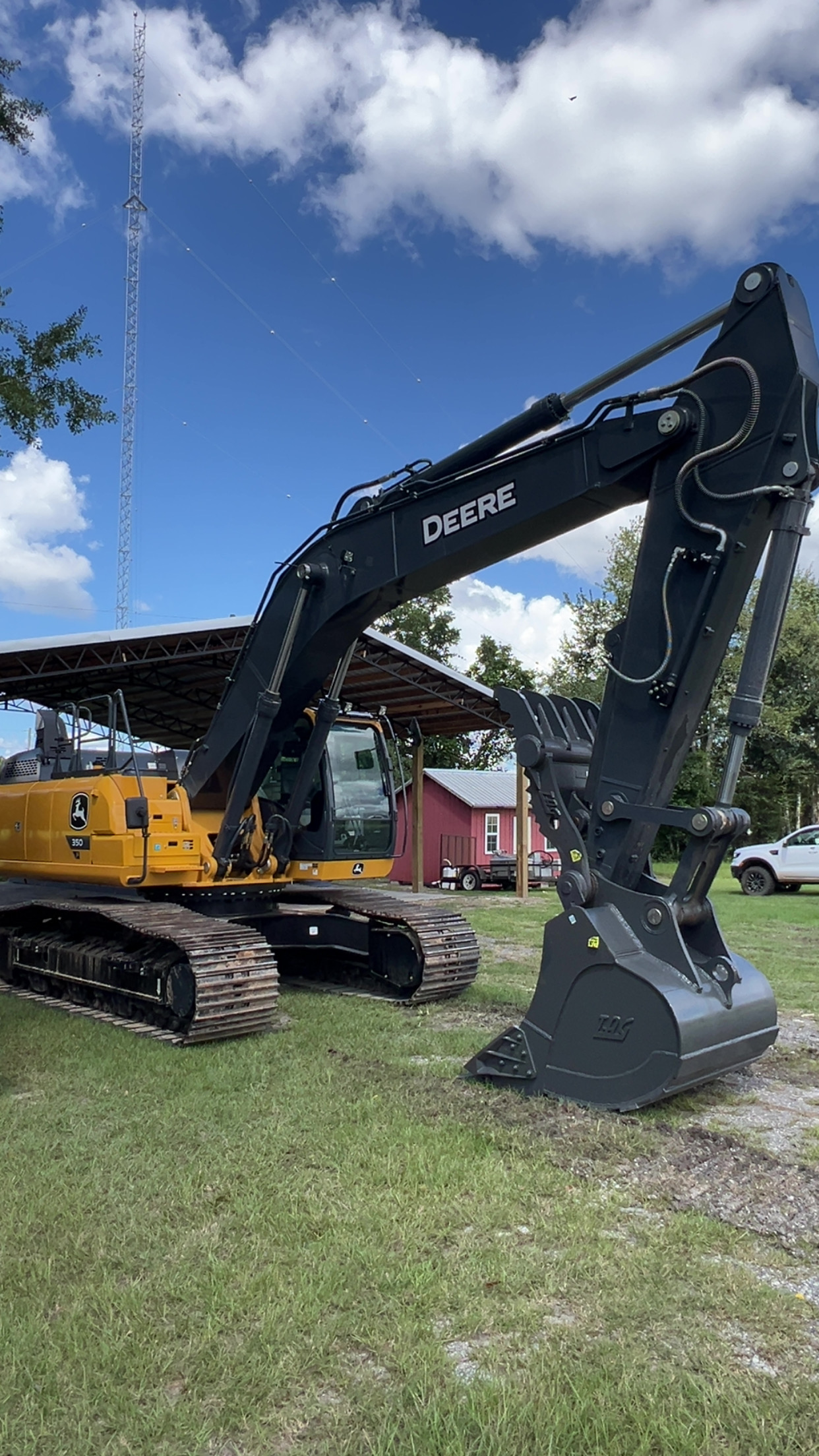
Innovative technologies are also a pivotal part of sustainable excavation. Modern machinery equipped with advanced GPS systems improves precision during excavation, reducing unnecessary land disturbance. These technologies enable operators to use less fuel and minimize emissions, contributing to a lower carbon footprint. By incorporating such technologies, Bay Hill Development LLC not only streamlines the excavation process but also enhances its sustainability.
In addition to technology, sustainable excavation practices include reusing and recycling materials. During excavation, materials like soil, rock, and vegetation can be reclaimed and repurposed rather than discarded. This reduces waste and lessens the demand for new materials, further easing the environmental load of development projects. Bay Hill Development LLC emphasizes this practice by integrating efficient waste management strategies to maximize material reuse throughout their projects.
Water management is another essential component of sustainable excavation. Construction sites often face challenges with water drainage and quality, which can lead to pollution and habitat disruption. Implementing techniques such as retention ponds or silt fences helps manage water runoff and minimize sediment transport. By focusing on effective water management, Bay Hill Development LLC ensures that nearby waterways remain uncontaminated and ecosystems stay intact.
Community involvement also plays a significant role in the sustainable excavation process. Engaging with local stakeholders helps to address environmental concerns and promote transparency. Bay Hill Development LLC often collaborates with local communities to ensure that its projects reflect community values and needs. This cooperative approach not only fosters trust but also ensures that development outcomes are beneficial to everyone involved.
In conclusion, the role of excavation in sustainable land development is both complex and essential. By utilizing sustainable practices, companies like Bay Hill Development LLC are able to minimize environmental impact while meeting the demands of modern construction. From using innovative technology to involving local communities, these strategies ensure a balance between development and environmental responsibility. As sustainability continues to rise in importance, excavation companies must adopt practices that contribute positively to this vital industry shift.
/filters:no_upscale()/filters:format(webp)/media/e16f0079-1300-48cc-a773-5ea7ac07c1b1.jpeg)
/filters:no_upscale()/filters:format(webp)/media/ce9a3448-2bff-41cc-9e1b-dc379998db3a.jpeg)